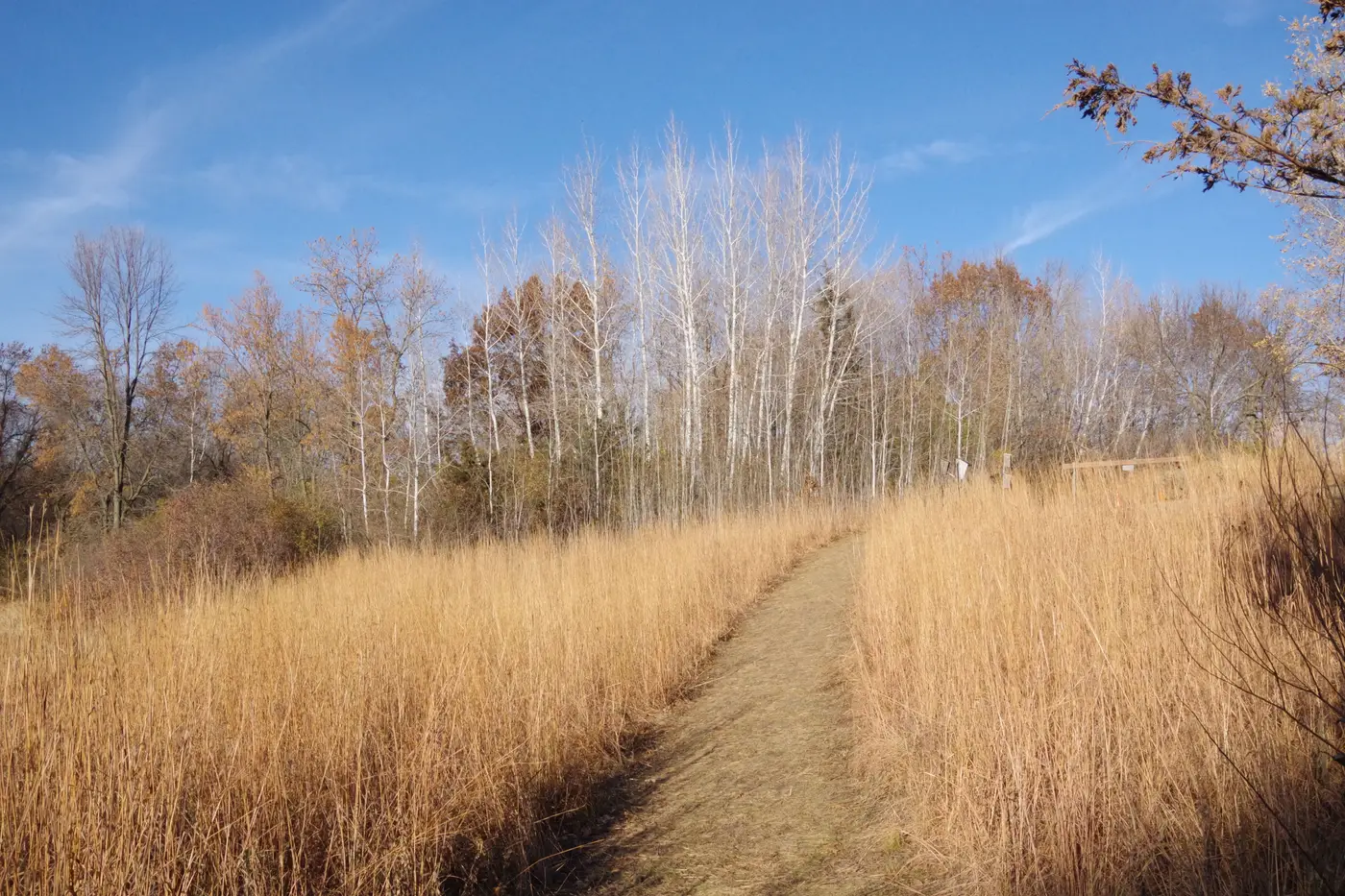
Ask five contractors this question and you'll get five different numbers, and all five will be right for their own corridor. But if you're building a schedule or sanity-checking a bid, you need a working range, not a shrug.
For a single rotary mower or batwing unit on flat, open right-of-way with light growth, figure 8 to 12 acres a day. Drop onto rolling terrain with moderate brush, and that falls to 4 to 7 acres. Steep slopes, wet ground, or dense woody re-growth that needs a brush hog or forestry mower instead of a standard batwing can bring a crew down to 1 to 3 acres a day, sometimes less if they're fighting hang-ups every few hundred feet.
Those numbers assume one mower and one operator. A two-machine crew doesn't simply double output. Add 50 to 70 percent, not 100, once you account for staging, fuel stops, and the lead machine waiting on the trail unit at tight spots.
What moves the number
Terrain is the obvious variable, but it's rarely the one that blows up a schedule. The variables that sink a day are:
Access. A maintained access road on both sides of the corridor keeps the crew moving. Gated private land, washed-out two-tracks, or a single entry point burns the first hour of the day just getting the mower to the cut. That lost hour shows up as fewer acres cleared by quitting time, no matter how good the crew is once they're on the ground.
Growth density and species. Grass and forb cover mows at double or triple the rate of woody stem growth. A segment with scattered sumac or locust saplings under 4 feet takes a pass or two. The same segment with chest-high brush that's been skipped a cycle needs a slower pass, sometimes a second pass behind it, and that's where a crew that budgeted for 6 acres ends the day at 2.5.
Obstacles and crossings. Road crossings, wetland buffers, stream crossings with setback requirements, and valve sites all eat time that doesn't show up as cleared acreage. A corridor with a crossing every half mile will run noticeably slower than open farmland even with identical vegetation.
Equipment match. Running a standard batwing on terrain that needs a tracked forestry mower doesn't just slow the crew down, it tears up the machine and the ground. Matching equipment to what's growing back is as much a factor as the terrain itself.
Building a crew-day estimate that holds up
Most planners still build the annual schedule off last year's acreage and a flat crew-day rate, something like "4 acres a day, divide total ROW miles by that." It works fine the year growth comes in even. It falls apart the year one basin gets a wet spring and the woody stuff comes back hard on three segments while the rest of the corridor barely needs a trim.
The crews that come in on budget schedule crew-days off what's growing back this quarter, segment by segment, rather than applying the same flat rate across the whole corridor regardless of condition. A segment that's still mostly grass this quarter doesn't need the same crew-day allocation as one where the brush has closed back in on the mow line.
That's the shift Pipeline Vegetation is built around: mapping the corridor every quarter from multispectral imagery and handing back a segment-ranked list of where growth is closing in, so the crew-day budget goes where the regrowth is instead of being spread evenly across miles that didn't need it this cycle.
A quick gut-check for your own corridor
If you're estimating a job this week: start with the terrain-based range above, cut it by a third if access is rough or crossings are frequent, and confirm which segments actually have woody re-growth versus just tall grass before you lock the crew-days in. Guessing wrong in either direction either burns budget mowing grass that didn't need it or leaves a crew undersized for a segment that's grown in since the last pass.
If you're tired of building that estimate off last year's map, take a look at how Pipeline Vegetation turns this quarter's imagery into a crew-day plan.