Most ROW crews already know the drill: once migratory bird nesting season opens, a chunk of the corridor goes untouchable until some local field office says otherwise. The problem is that knowing nesting season exists and building a mow schedule around it that doesn't blow your spring workload are two different problems.
When the nesting window opens
The Migratory Bird Treaty Act doesn't hand out a single national date range. Nesting season shifts with latitude, species mix, and whatever guidance your state wildlife agency or the regional USFWS office has put out for grassland and shrub-nesting birds along rights-of-way. In the Gulf states that window can open as early as February. Up in the northern tier it's often April through July or August. If your corridor crosses more than one state, you're not working with one restriction. You're working with however many overlap.
Pull the current guidance for every state segment your corridor touches, including the ones outside your home office's territory, and mark the earliest open date on your calendar as the hard stop for any clearing work that would disturb active nests.
Building the schedule around it, not despite it
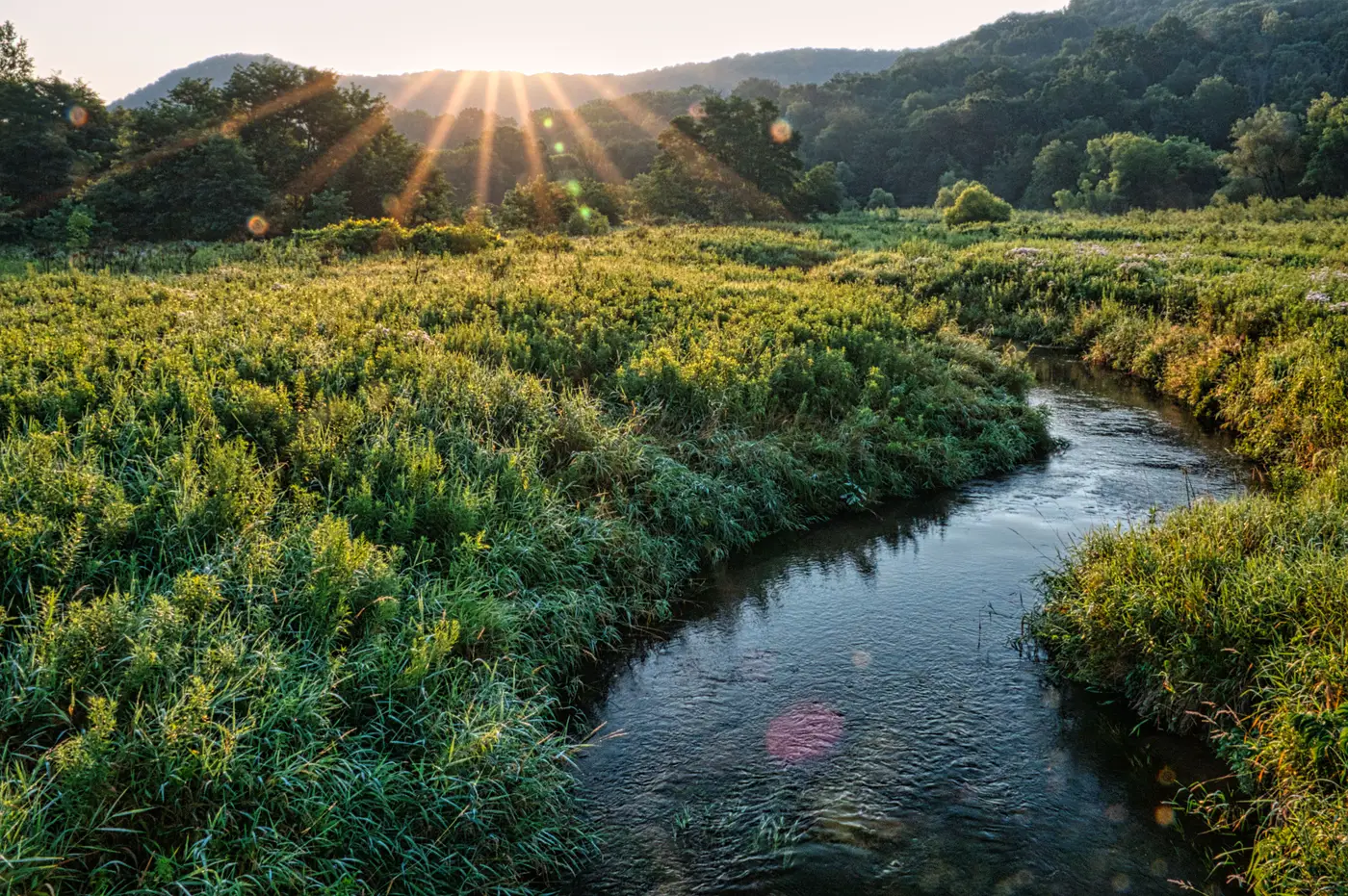
The mistake a lot of planning leads make is treating the nesting window as a pause button on the whole program. The restriction applies to ground-disturbing and vegetation-removal work in active nesting habitat, meaning tall grass, shrub cover, and brush where ground- and shrub-nesting species build. Mowed turf and short right-of-way grass that's already maintained below nesting height generally isn't the concern.
That distinction matters for scheduling: the segments that actually need to stay untouched during the window are the ones where woody growth or tall cover has come back since last season. Clear a segment hard in late winter before the window opens, and the corridor stays low enough that nesting habitat never really establishes there before cutoff.
So the order of operations that works: run your pre-season assessment in late winter, identify which segments have brush and woody encroachment tall enough to attract nesting, clear those first, and leave the segments that are already short and clean for whenever crews have capacity later in the year. That front-loads the work with a deadline and pushes the flexible work to the back half of the season.
What to do about segments you can't clear in time
Some years you won't get to everything before the window closes. For segments with known encroachment that didn't get cut, the standard approach is a pre-clearing nest survey by a qualified biologist right before the window opens. Documented, so if nothing's active you can still do limited clearing. Absent that, those segments wait. Document which ones and why, because when the state inspector or a landowner asks why a stretch looks overgrown in June, "we deferred it under the nesting restriction and it's first on the list in August" is a better answer than a shrug.
Knowing which segments need it most
The hardest part to do from memory is knowing, corridor-wide, which segments have woody growth tall enough to matter before the window opens. A lot of programs still run this off last year's walk notes or whoever happened to drive that stretch recently, which means segments get flagged late or missed entirely. Pipeline Vegetation runs a quarterly read of the corridor from satellite imagery and ranks segments by how close growth is to the mow line, so the pre-season push goes to the stretches that need it instead of the whole easement getting treated the same.
If you're trying to get ahead of this year's nesting window instead of reacting to it, take a look at how the ranked segment list works.
Once you can see which segments are closing in on the mow line before the window shuts, scheduling around nesting season stops being a guessing game.