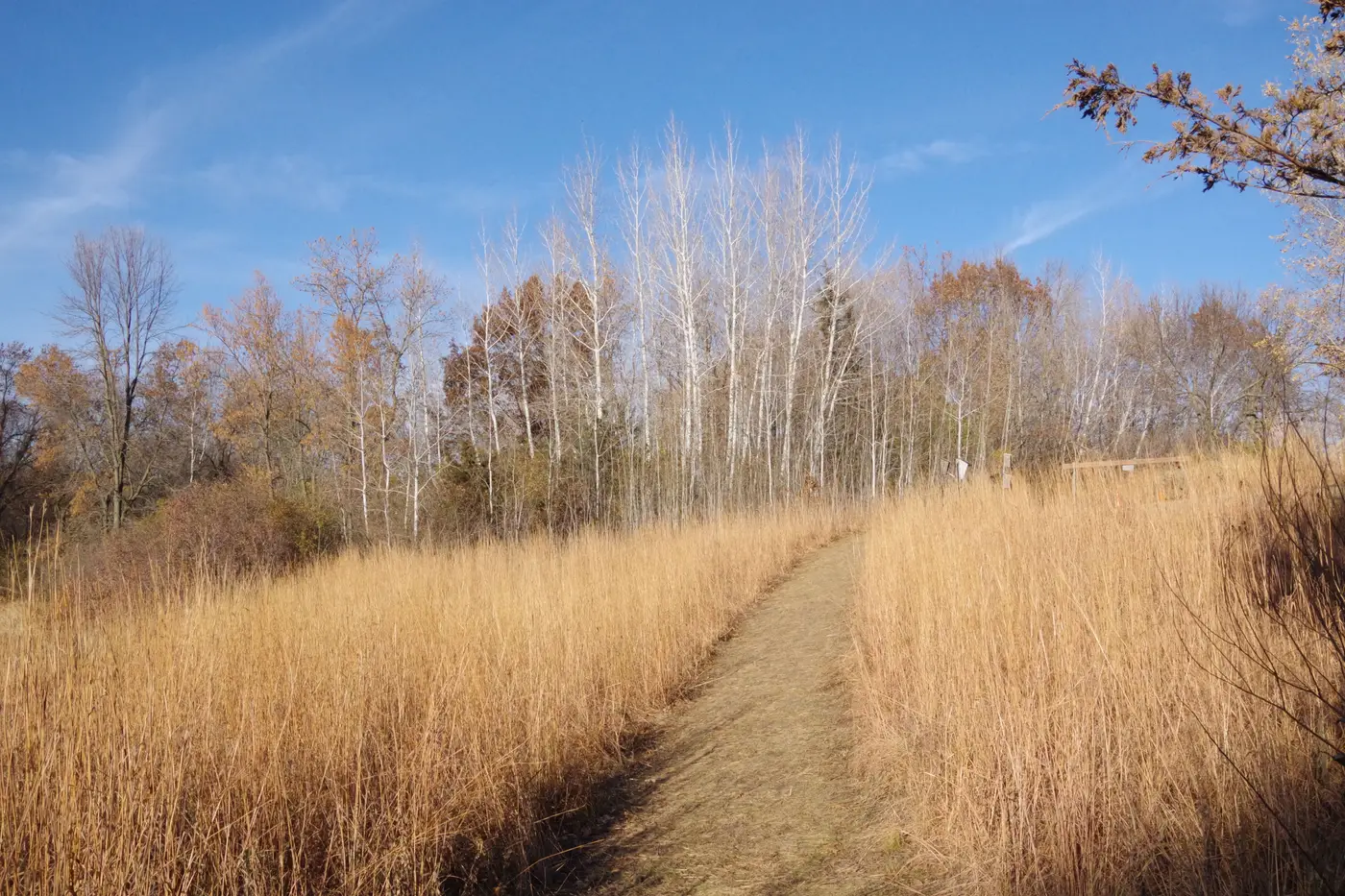
A closeout packet comes back saying segment 14 is done. Fourteen miles, mowed to spec, invoice attached. You weren't out there. Nobody on your team was. The only way to know for sure is to drive it, and driving every segment a contractor claims to have finished isn't a schedule, it's a second full-time job.
This is the gap most ROW programs live in: paying on paperwork and hoping the next walk-down or complaint call doesn't prove it wrong.
What a mow ticket promises
A completed work order usually specifies a few things: mowed to a certain height, woody stems cut back from the mow line, clearance maintained around valve sites and markers. It doesn't promise the crew covered every foot of the segment evenly, and it doesn't promise the regrowth stays down for the rest of the quarter. Those are two different questions, and contractors are only on the hook for the first one.
Why the invoice alone can't answer it
A signed ticket tells you a crew was dispatched and billed hours. It doesn't tell you whether they skipped the back half of a segment that's hard to reach with a tractor, or whether "mowed" meant the open grass strip and not the brush line creeping toward the pipe. Landowner complaints catch some of this. Most of it goes unnoticed until regrowth is tall enough to spot from a truck window, which is usually a season too late.
Using the next quarterly pass as a check
This is where the next imaging cycle earns its keep. If a segment was mowed last quarter, the next pass should show it: shorter vegetation, less woody signal near the mow line, a visible drop in canopy density compared to the prior image. A segment that still looks the way it did before the ticket closed deserves a second look. Maybe the crew did a partial pass. Maybe regrowth came back unusually fast in a wet stretch. Either way, that's a reason to send someone out instead of taking the closeout on faith.
Run this across a whole corridor and the pattern does the sorting for you. Segments that dropped as expected stay off your list. Segments that didn't move the way a completed mow should move rise to the top, and that's exactly the kind of side-by-side, quarter-over-quarter read our imagery and segment ranking is built to hand you instead of a stack of invoices you can't check.
What this doesn't give you
It won't tell you mow height down to the inch, and it won't hold up as a legal audit trail on its own; it's an imagery comparison, not a surveyor's report. It won't catch a crew that mowed the grass but left scattered saplings an inspector would flag walking the line. What it does is narrow a corridor-wide guessing game down to the handful of segments where the vegetation signal didn't change the way a finished mow should change it, so your field checks go to the segments that actually need one.
A simpler way to sign off
Pull last quarter's image for the segment next to this quarter's. If the mow line looks the same as it did before the crew supposedly ran it, hold the invoice and send someone to walk it before you sign off.
Drop the two images side by side on your next contested invoice and see what the mow line looks like before you sign.