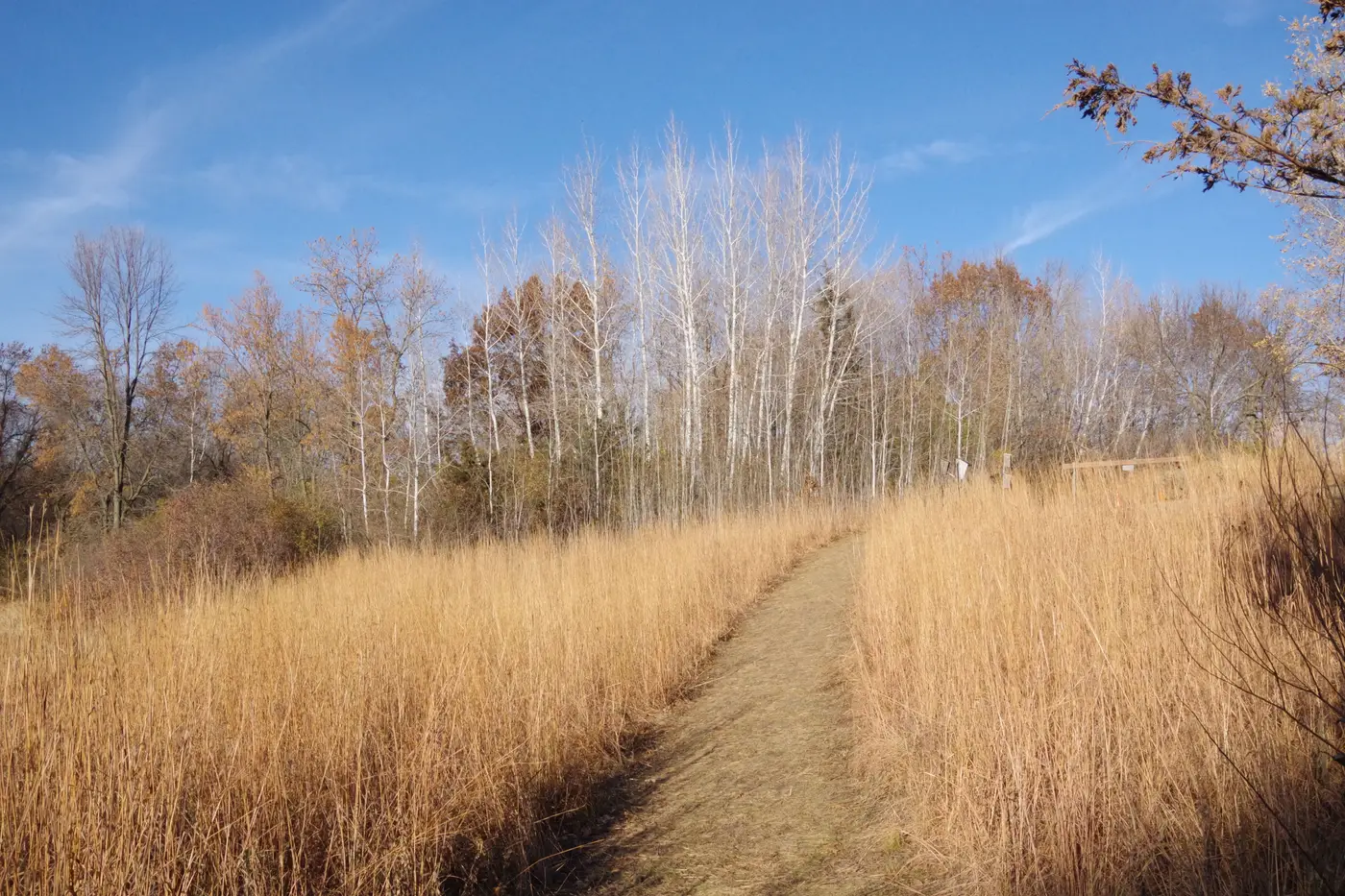
If you've spent any time around a right-of-way crew, you've heard "mow line" thrown around like everyone already knows what it means. Most days, they do. The mow line is the boundary where routine mowing stops and the rest of the easement, if there is any, gets left to grass or hit on a longer cycle. It's an operational boundary rather than a legal one, usually set a few feet inside the edge of the easement so equipment has room to turn and inspectors walking the corridor have a clear sightline to the pipe markers.
On a lot of corridors the mow line sits somewhere between 10 and 30 feet off centerline, depending on what the original easement allows and how the land was graded when the line went in. Some operators cut the full width every pass. Others only maintain a narrower strip for mowing and let woody growth creep closer to the edges before it gets knocked back with brush saws or a mulching head instead of a bush hog.
Mow line vs. clearance line
This is where a lot of planners get tripped up, and it's worth being precise about it because the two terms get used interchangeably on job sites even though they're not the same thing.
The clearance line is the outer limit of vegetation control. It's tied to the full easement width, or to whatever the integrity management plan specifies for keeping tree roots and large woody stems away from the pipe and away from aerial patrol sightlines. Anything inside the clearance line is fair game for cutting once it's grown tall enough to be a problem.
The mow line is narrower. It's the strip that gets routine mowing, usually on a schedule tied to grass growth rather than woody stem growth. A segment might get mowed to the mow line four or five times a season while the ground between the mow line and the clearance line only gets brush-cut once, or once every couple of years, depending on how fast saplings and scrub are coming back.
The clearance line sets how far out growth control has to reach. The mow line sets how far routine mowing goes on a normal pass. A segment can be fully compliant on clearance and still have a mow line that's creeping in because nobody's walked that stretch since spring.
Why the mow line gets fuzzy in practice
Mow lines drift. Equipment operators cut a little short on a wet day and a little wide the next time out, and after a few seasons the line on the ground doesn't match the line on the ROW drawing anymore. Add segments that cross different landowner agreements, where mowing rights vary foot to foot, and the mow line on paper and the mow line as mowed can be two different things entirely.
That gap matters because it's usually where encroachment starts. Woody growth doesn't wait for the drawing to be updated. A stand of sumac or young hardwoods missed at the edge of the mow strip for two seasons can close in faster than most crews expect, especially on corridors running through reverting farmland or cutover timber.
Most operators still schedule mowing on a fixed calendar: every segment, every quarter, whether it needs it or not. That treats every mile the same, so crews spend time on segments that barely grew and run short on the ones where brush is pushing hardest toward the line.
Pipeline Vegetation flags which segments have woody growth closing in on the mow line each quarter, so the ranked list reflects what's actually growing back along the corridor instead of a calendar that can't tell a mile of fescue from a mile of young locust.
If the mow line on your corridor has started drifting from the one on the drawing, that's the gap we built this to close.